Happy
Vines is pleased to be associated with this exciting event in Kota
Kinabalu, Sabah - Malaysia. This is a special invitation to explore
this wonderful Malaysian state with a diverse assortment of ethnicities
& cultures.
Unspoiled beaches and sparkling sea with top dive spots, cool, cool
mountain ranges with raging rivers & spectacular waterfalls.
Hiking, biking trails or simply enjoy the scenery with a hot cup of
locally-grown Sabah Tea or Tenom Coffee. Indulge in the rich fruits of
the sea freshly landed, just minutes from Hyatt Regency Kinabalu, each
morning, or vegetables & fruit found only in this region. Enjoy
free-range chicken or pigs, if you are lucky, some wild game meats, too.
Kota Kinabalu is accessible with almost hourly flights from Kuala
Lumpur and 2 flights (2hrs 20mins) per day from Senai, Johor Baru via
Air Asia. Long-term car parking is available at Senai Airport. The
current JHB-BKI return airfare, during the event period, is about RM455
or ~SGD200. Malaysian Airlines, Singapore Airlines & Silk Air
fly
direct from Singapore Changi Airport.
Besides Hyatt's promotional hotel rates (Hyatt Club members' discount
apply), other 5-star hotel options include Shangri La Tanjung Aru,
Sutera Harbour, Promenade Hotel, Le Meridien and recently opened
Novotel. Other modest hotels (from about RM120/night) by Best Western
and Malaysian hotel chains are also available, specially Lembah Impian
(http://www.lembahimpian.com.my/), located just 20 minutes from the
airport and the city but nestled in the heart of Kadazan villages.
Please take this opportunity to visit this 'far off" neighbour that is
really not that far away.
Bookings may be made directly with Hyatt Regency Kinabalu (below) or
through HappyVines.com, via email. SGD1 = MYR2.30 exchange
rate
applies.
PRESS
RELEASE by HYATT REGENCY KINABALU
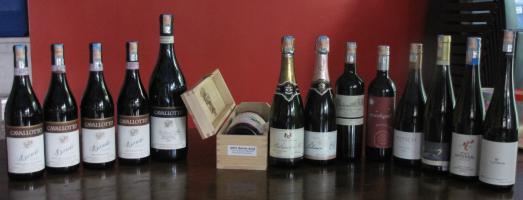
Hyatt Regency Kinabalu will present the first Wine Masterclass ever to
be held in the city of Kota Kinabalu at 3:00pm on Saturday, October 4,
2008. Master of Wine Cathy Van Zyl will conduct the relatively formal
class in the Keembong room, where six premium labels will be featured
from participating wineries. A gastronomic Wine Dinner will follow in
the evening in the hotel's Nagisa Japanese Restaurant, during which
intricate delicacies will be prepared specially and paired with a
different wine selected for this event. The Wine Masterclass and the
Wine Dinner cost is RM330 per person, as the class size is limited,
advance bookings are necessary; however, those wishing to indulge only
in the Wine Dinner can do so for just RM230 per person. Reservations
can be made with Annie Lo at 088 29 5300. A special accommodation rate
is available for participants attending this event.
At the Hyatt Regency Kinabalu Master Wineclass, devotees of fine wine
and professionals dealing with wine will have the exceptional
opportunity to learn the finer points of wine from an expert. The
education provided by an independent Master of Wine, such as Cathy Van
Zyl, is unbiased towards any winery or particular wine. Thus,
participants can expect to hear the unadulterated truth about vineyard,
and winery practices, the logistics concerning the distribution of
wines, and finally, how various kinds of wines are marketed to the
public.
During the Wine Masterclass, attendees will gain information that may
range from the various options in vineyards to how to encourage dinner
guests to order a glass or bottle of wine. Attendees' most frequently
asked questions, such as which wines are worth investing in, is there
really a difference between champagne and other sparkling wines; is
there really a quality difference between DO Chablis, DO Chablis
Premier Cru, DO Chablis Grand Cru and DO Chablis "Old Vines", and, if
so, how does one discern the differences; how do I identify the
difference between Cabernet Sauvignon, Shiraz and Barolo; why is Barolo
so expensive compared to most Cabernet Sauvignons and Shiraz blends;
what are the fashionable and most sought after wines that overseas
wine-lovers are drinking today, and why should oaked wines cost more
and are they better than non-oaked wines; why are some wines made with
a single varietal, while others are a blend of several different
grapes; and is a single varietal wine better than a blended wine.
These, and other questions, will receive a truly independent answer
from Cathy.
Answers to these questions, and much, much more may be gained in just
one afternoon session with a Master of Wine at Hyatt Regency Kinabalu.
Although not everyone will have their favourite question answered in
just one session, attendees will be sure to pick up plenty of tips and
plenty of new knowledge at this Wine Masterclass.
Here, we present an exclusive interview with Master of Wine, Cathy Van
Zyl: -
What is the Institute of
Masters of Wine (IMW)?
The Institute of Masters of Wine (IMW) was established as an entity in
1955:- it exists to promote the highest level of educational
achievement for the wine industry, culminating in the internationally
recognised qualification of Master of Wine (MW). It organises all
aspects of the Master of Wine examination and education programme, runs
tasting and other event programmes, provides membership services to the
278 MWs worldwide, and is a database of information and access to
specialist advice for the wine industry in general.
What do you need to do to
be accepted as a MW?
A Master of Wine is a person who has passed an exam set by the IMW.
Although the IMW is based in London, this is an international
qualification and MW hopefuls can sit the exam in Australia, US and
London. The exam comprises three parts: - part 1 consists of three
tasting exams, part 2 comprises four theory exams on everything to do
with wine, from growing it to making it to selling it to social issues,
and part 3 is a dissertation. Once a person has passed these exams,
they are accepted into the Institute and have to abide by its code of
ethics. The proper term is “Master of
Wine� or the initials MW. I passed in a relatively
short
time - four years while, one MW took 11 years to complete the course.
Finally, what is the
difference
between a Masterclass conducted by an independent Master of Wine and
one conducted by the Export Manager of a winery or wine marketing
company or even the winemaker of a winery?
The differences are: 1) an expert, independent and unbiased view of
wines from someone with very detailed knowledge about the subject. A
Master of Wine is not a generalist, rather a perfectionist with a vast
amount of wine knowledge or, at worst, able to find the correct answers
to all questions about wine. 2) The Master of Wine is not paid to sell
any winery's portfolio of wines, so there is no need to praise any wine
not worthy of praise, 3) A winemaker is usually good at, or biased
about, producing a particular style of wine, while a Master of Wine is
able to articulate on the various options available in making those
wines. A winemaker may say, "This is the way Chardonnay or Shiraz
should be made", while a Master of Wine may say, "That is no
necessarily so".
When selecting a wine
list for a Wine
Masterclass, what considerations do you make for people with palates
that are often exposed to spicy foods?
Exposure to foods with intense flavours tends to make the palate lazy
and unwilling to delve deeper into more subtle flavours. However, the
taste buds are hardly dulled by such foods, although the brain may
prefer them. With some directed/tutored concentration, most people
continue to discern and enjoy the lighter flavours of grassiness, the
yeasty aromas of baked bread, white flowers such as lilies and jasmine,
roses, and the sweetness of stone fruits such as peaches, lychees,
longans and mangosteens, as well as the flavours of rock melon,
pineapple and papayas. Thus, while, these people may, at times, enjoy
steamed pomfret or garoupa in light soy sauce and ginger or fresh udang
galah (river prawns), they would still enjoy bamboo shoots in a
free-range chicken stock. The same theory can be applied to wines. The
only consideration is that the list of wines should be poured and
presented from the subtle and light, proceeding upward in flavour
intensity to the over-the-top wines. This is the same way a savvy chef
would present his dishes at a meal.
PROFILE

Cathy van Zyl (MW) is 45 years old and is #250 on the IMW membership
roll, having been elected to the institution in 2005. She is based in
Cape Town, right in the heart of South Africa's beautiful wine country,
and writes a blog for the independent website: www.grape.co.za.
As an MW, Cathy's services are sought-after, worldwide, in judging
wines, providing consultancy services in wine tourism, and offering
advice on restaurants' wine lists, etc. Cathy is on her way to judge at
the Sydney International Wine Competition. She immediately jumped on
the opportunity to visit a fellow wine professional, Remie Law (of
Happy Vines), who has just relocated to Kota Kinabalu. She could not
miss the opportunity to discover the new tastes and flavours of Sabah's
rich edible flora and fauna. Also, while here, Remie will tap her
expertise on how to create a definitive buzz in Sabah's burgeoning food
and beverage and tourism industries, making maximum use of available
local products.